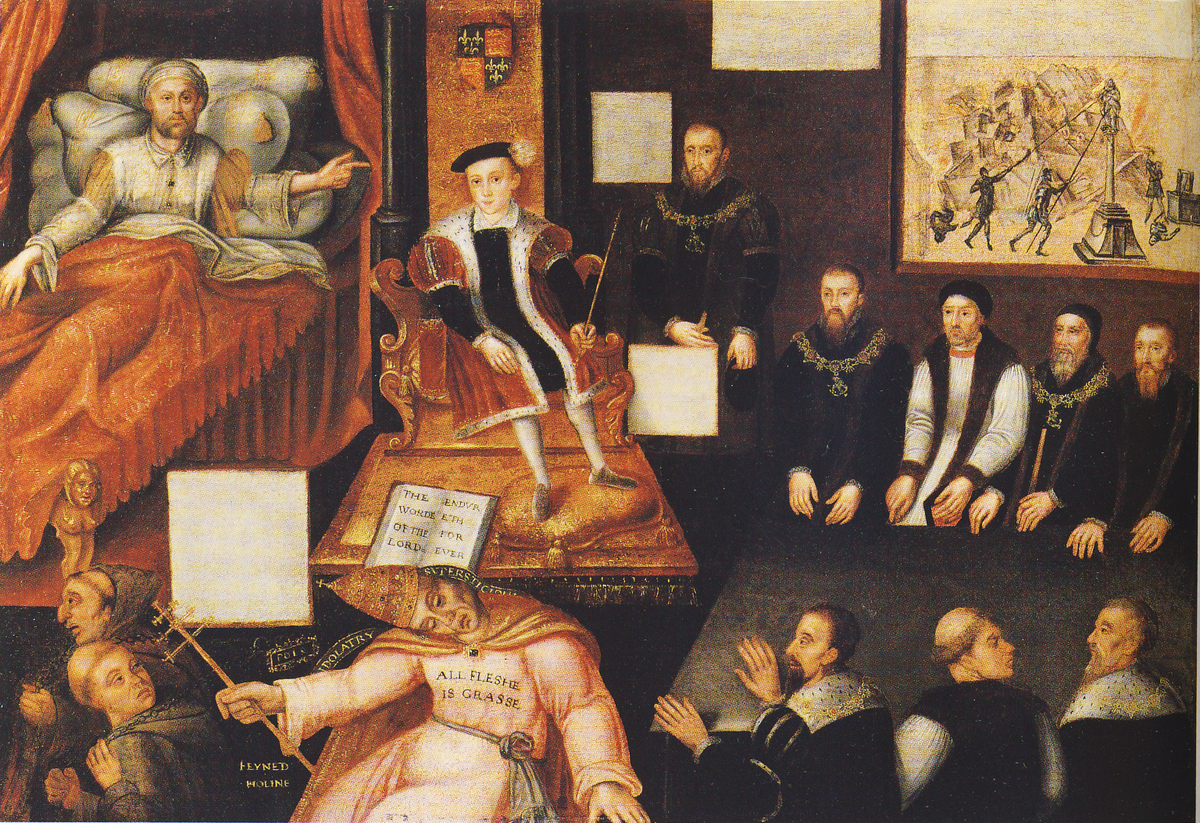
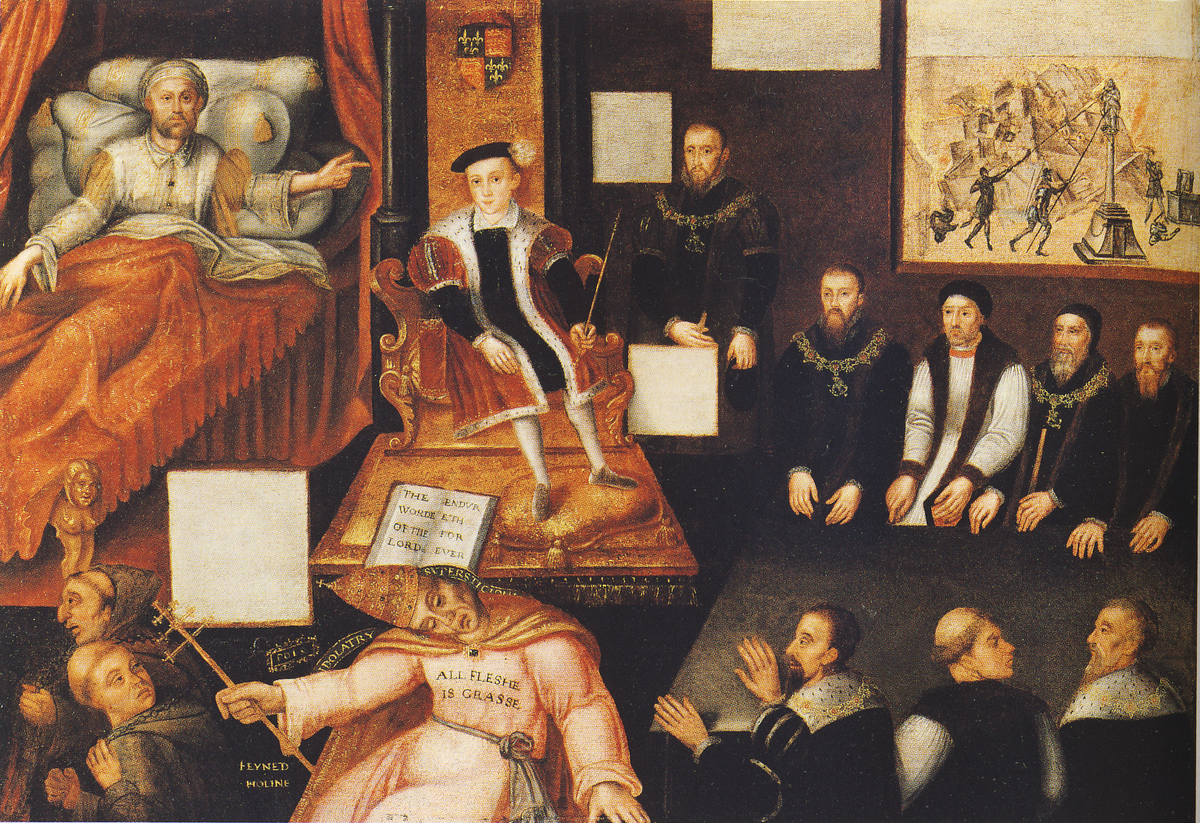
Four centuries later, the scenery has changed — mahogany desks in place of royal thrones, IPO prospectuses instead of papal bulls — but the script remains much the same. The intoxicant of power is still poured in generous measures, and still leaves its drinkers incapable of surrendering the glass.
The contemporary American scene offers a daily reminder. A federal takeover of the District is “about crime” in the way that the Spanish Inquisition was about theology; tariffs “about manufacturing” much as Versailles was about urban planning.The removal of some bureaucratic functionary is sold as a quest for truth, as though Pontius Pilate were merely doing a bit of light fact-checking.
The explanation, as it ever was, is that it’s about power. That’s it.
The keeping of power, however, is another matter. The tyrant and the CEO alike eventually discover that authority unguided by purpose tends toward the tragicomedy — left idle, it tends to rot. Napoleon’s conquests ended at Waterloo; Enron’s domination ended in an Excel spreadsheet.
History is a long register of power’s owners confusing possession with purpose, convinced that the mere holding of the scepter ensures the permanence of their reign. The iceberg, the guillotine, and the bankruptcy court disagree.
The keeping of power, however, is another matter. The tyrant and the CEO alike eventually discover that authority unguided by purpose tends toward the tragicomedy — the ship of state becomes the Titanic, her owners confident enough to sneer, “Even God himself could not sink her.”
Nature, as the iceberg reminds us, votes last.